Exercising during Ramadan: when and how to train while fasting
The short answer
The best time for a moderate or hard session during Ramadan is one to two hours after iftar, once your body has its water and energy back. Before iftar, keep to light activity. Drink regularly between iftar and suhoor, stop if you feel dizzy, and check with your doctor if you have a chronic condition.
When to train
- One to two hours after iftar: best for weights and cardio.
- Just before iftar: light activity only (walking, stretching), then eat and drink.
- After suhoor: possible for early risers, at moderate intensity.
Lower the intensity
Ramadan is a time to maintain fitness, not to chase personal bests. Cut intensity and duration, and focus on consistency, sleep and recovery.
Water and food
- Spread your water between iftar and suhoor (about 8 to 10 glasses).
- Don’t train right after a heavy meal: break your fast lightly, then eat properly after the session.
- Water-rich foods such as cucumber and watermelon help you stay hydrated.
When to see a doctor first
- If you have diabetes, heart disease or another chronic condition.
- If you take medication that fasting or exercise may affect.
- If you get chest pain, severe breathlessness or persistent dizziness.
What to wear for evening sessions
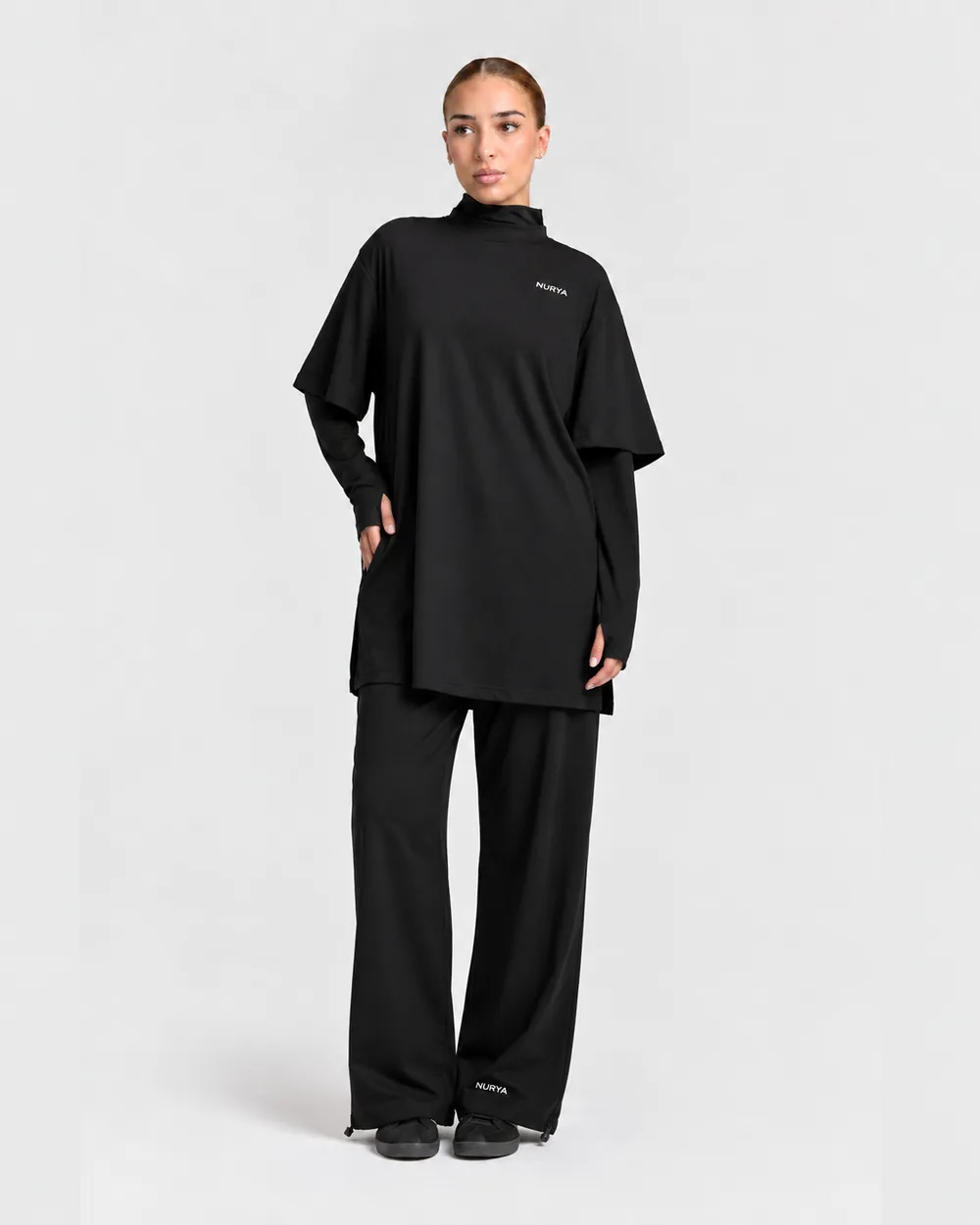
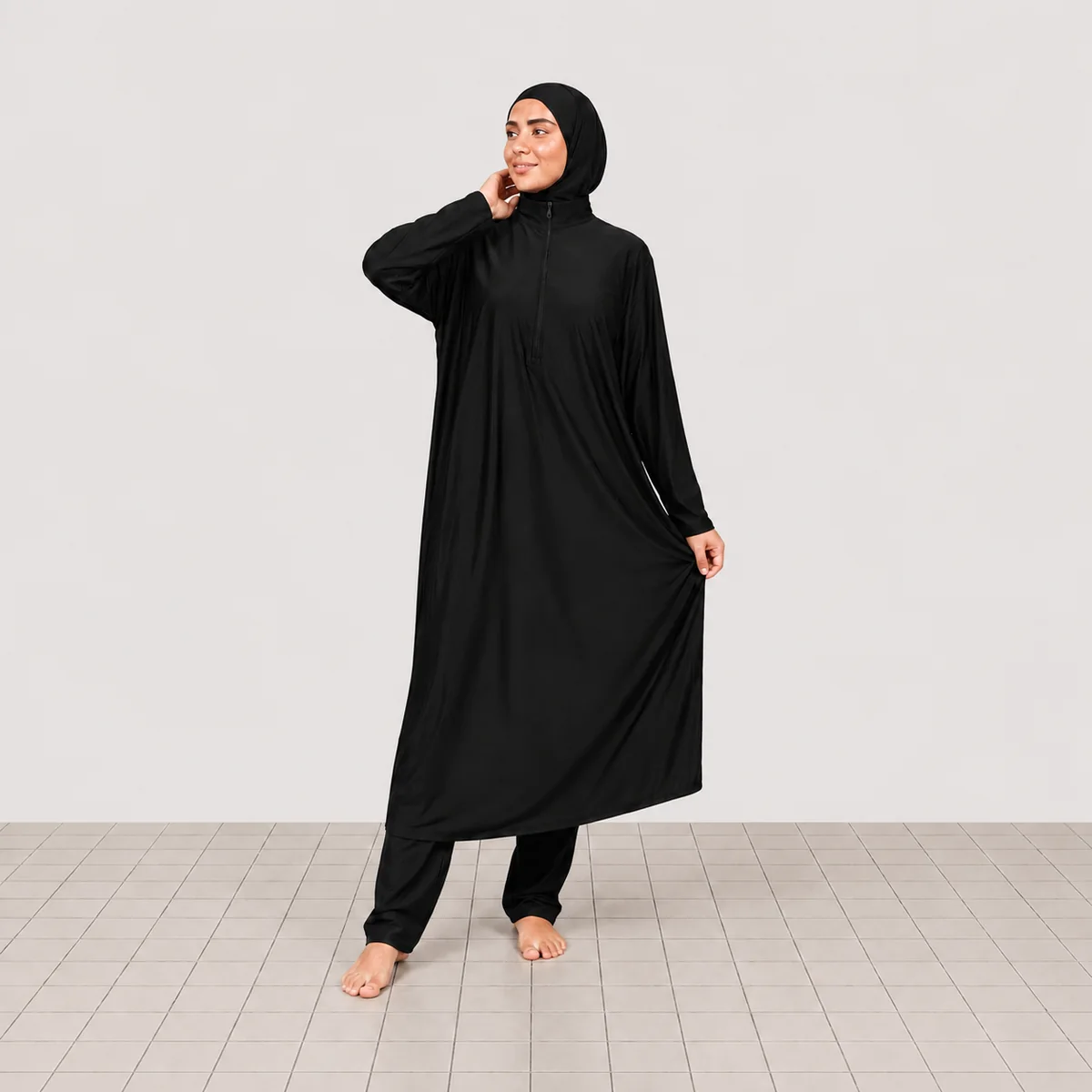
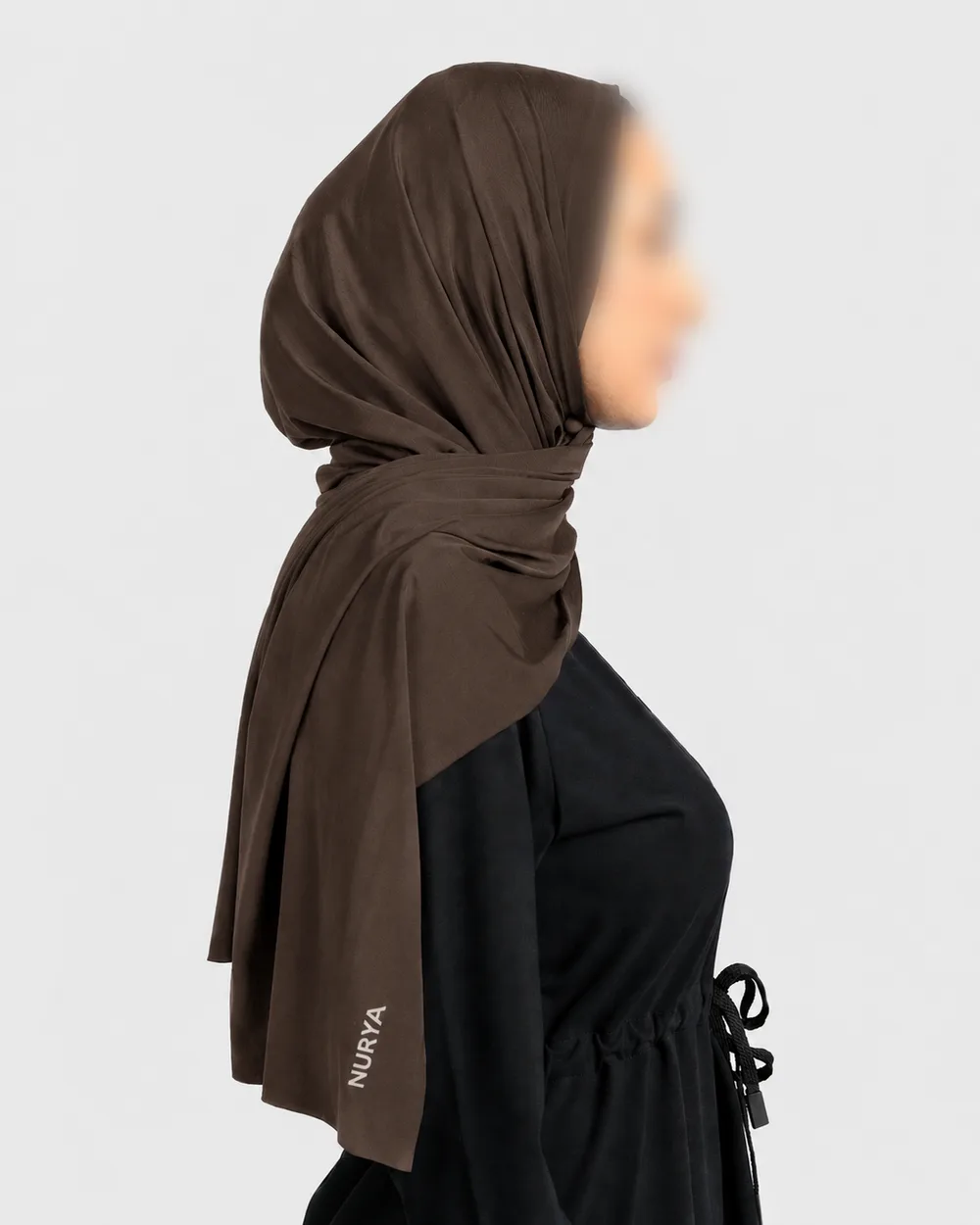
A loose set in breathable, sweat-wicking sports fabric and a sports hijab that stays put without pins. If you walk or run outside at night, add a light-coloured or reflective piece so you are clearly visible.
Frequently asked questions
What is the best time to exercise during Ramadan?
One to two hours after iftar for moderate or hard sessions; before iftar, light activity only.
Can I lift weights while fasting?
It’s better to keep it for after iftar, when your body has its water and energy back.
What if I feel dizzy while training?
Stop immediately and rest. If it keeps happening, see a doctor.
Sources
General information that does not replace medical advice.